
Episode 22: Clothes are the Devil (okay maybe not)
Special guest, Germanee G., answers your burning style questions to help improve your relationship with your wardrobe.


This post is a collaboration between Dr. KB of Soulful Renaissance and Germanee G of Styled by a G. It is a follow up of Dr. KB’s last post Episode 21: The Body is Not an Apology.
Hi - is this thing on? 🫣 While I won’t apologize for waiting a thousand months to post, I will say that I did NOT intend to go this long without posting. I came into the year with a full plan of topics for each month and everything. Alas, life be lifing. Luckily, I mean that in a good way this time. Between May and now, I had to hyper-focus on being an adult. More on that later. (and if you’re new here, welcome!)
For this post, I want to pick up where I left off and wrap up the body dysmorphia/clothes discussion. I asked Germanee G, stylist to the stars and my best friend, to chime in and answer questions about style as it relates to our bodies. She agreed and answered questions you all asked…..back in July. Yes, I’ve been sitting on this info for four whole months and that I will apologize for!
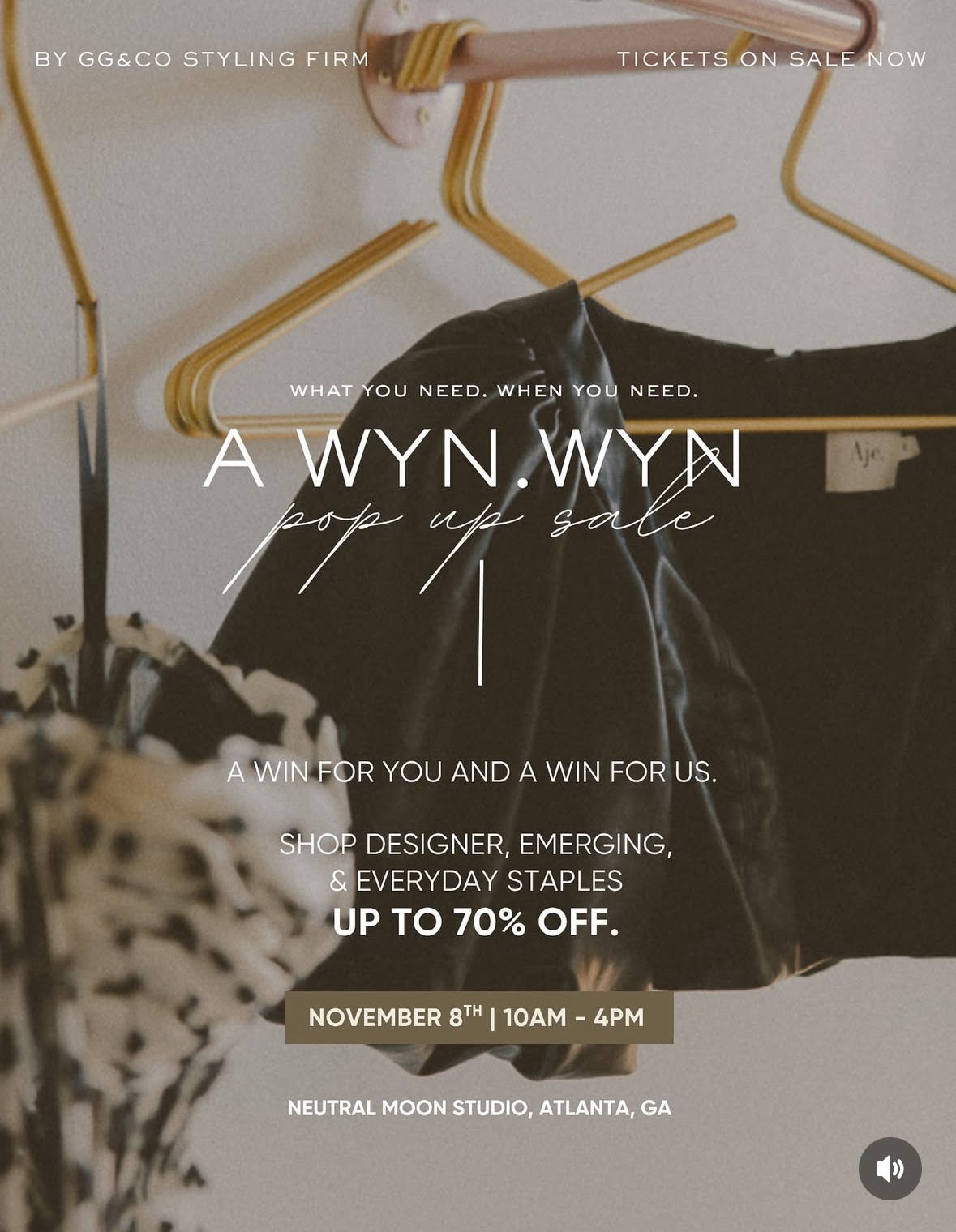
Quick Plug - a.wyn.wyn pop up sale:
BEFORE we hop in, quick plug for Germanee’s upcoming event in ATL tomorrow (I’ve tried to get this post out all week smh).
If you’ve ever wanted to shop a stylist’s closet, this is your moment!
GG&Co is bringing a.wyn.wyn to life for a one-day resale experience, featuring pieces directly from our styling studio and lead stylist, Germanee’s personal closet.
a.wyn.wyn is a play on “a win-win” — a nod to finding what you need, when you need it. The edit spans a range of brands—from ASOS, Zara, Mango, Banana Republic, Revolve, and Reformation to emerging and designer labels like Hanifa, Fe Noel, KHOI, Solace London, Christian Louboutin, and Harbison. Expect gowns, statement pieces, and everyday staples (sizes 0–20), plus shoes ranging from 6.5–13 (with most between 8–11)—all up to 70% off original retail.
I’ll be there at 10AM sharp - join me!
Okay, back to the topic!
Table of contents in case you want to jump ahead:
Vanity sizing - what it is and how it impacts shopping for clothes
Where do we start to find our personal style? I shop for occasion and need to stop!
Tips for growing my confidence while wearing strapless anything with a bigger body/chest?
Clothes have been tricky for me for as long as I can remember. There was once a time when I was wearing clothes that were too big because they felt comfortable. Germanee got me together QUICKLY, LOL! She was like “why are your clothes so big? why is that inseam so low?” - and I was like girl, idk!? lol.
I always feel like being her roommate was the ultimate cheat code. While I still have a lot to learn from her, learning that I needed to wear clothes that are my actual size was a huge shift in how I see myself and my confidence with what I wear. I have plenty of stories from this same time period when Germanee used to get me together, but I’ll spare you and me. I want to get to the good part!
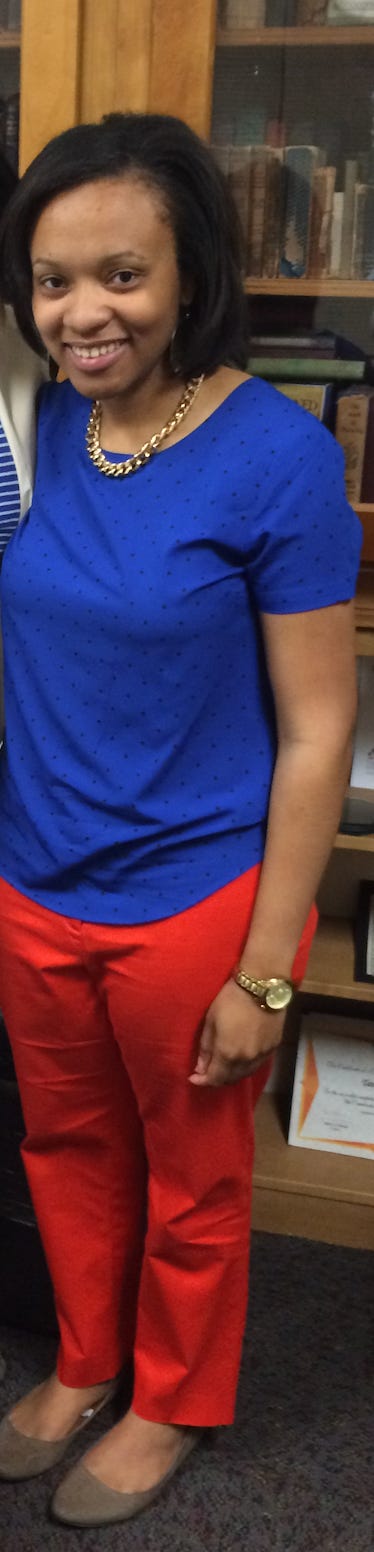
And with that, I am going to pass the mic to my stylist bestie, Germanee!
Thanks, KB!
Here’s the thing: your clothes should never make you question your body. They should help you feel confident like you can move through the world with ease and intention, without second-guessing yourself or wavering in how you feel about who you are.
But that’s not always easy especially if you’re dealing with body dysmorphia or have spent years internalizing the message that your body was something to fix. Maybe you’ve been pressured to be a certain size. Or maybe you’ve noticed how much more value our culture, and even clothing stores, place on smaller sizes, which is wild considering the average American woman wears between a size 12 and 24. The system is rigged to make you feel like you’re the problem, when really, it’s the sizing that’s broken.
If you’ve ever tried on something from a European or Italian brand and felt like your size “jumped,” you’re not imagining it. Unlike other countries that follow standard sizing, the U.S. doesn’t. Which means brands here get to decide what a size 8—or any size, really—means to them. That inconsistency? It’s called vanity sizing—a marketing tactic that took off in the ’90s when waistlines began to grow and women started avoiding shopping because they didn’t like the number on the tag.
So brands got clever: make the tag say a smaller size, and shoppers feel better—leading to more sales. And while that may sound smart from a business standpoint, it completely distorts our relationship with our bodies.
One brand makes you feel smaller. Another makes you question if you’ve gained weight. The truth? Neither may be accurate.
That’s why I always tell clients: don’t get caught up in the number—pay attention to the fit. I personally own everything from a size 2 to a size 6, even some larges, depending on how I want something to feel and drape. I also tailor things to fit my waist, my arms, or whatever area needs support. That’s not vanity, it’s intention.
If your body changes, whether you gain or lose weight, let your clothes evolve with you. Don’t shrink to match the past. And please don’t keep reaching for the same size out of habit or fear. Your body deserves to be seen and dressed as it is today.
Questions from IG:
How do you shop your closet and reinvent clothes you have?
The first step is assessing what’s already in your wardrobe:
What pieces genuinely bring you joy?
What do you feel most confident in when showing up as your best self?
How do you want to be seen or perceived?
Once you discover what no longer brings you joy or no longer aligns with your current season or goals, let it go. Editing your closet isn’t about guilt; it’s about gaining clarity. The more focused your wardrobe is, the easier it becomes to get dressed with intention.
From there, identify the gaps. Are there missing pieces keeping you from building complete outfits or expressing your style with ease? That’s your starting point. Don’t feel pressure to overhaul your closet. Make a plan to add new pieces gradually, in a way that aligns with your lifestyle and budget.
Next, challenge yourself to remix what you already own. Don’t default to wearing the same outfit the same way twice.
Can you switch the shoes or bag?
Add a blazer, a belt, or a pop of color?
Layer or style a piece differently than you normally would?
To get fresh ideas, use tools like Pinterest and Instagram influencers as inspiration to spark styling ideas. Save looks that resonate with you and try recreating them with pieces you already have.
Like any skill, this takes time. Set aside space, like a Saturday morning, to play in your closet. Try on combinations, test new pairings, and document what works. That way, on your mornings when you’re getting ready for work, you don’t feel rushed and you’re more likely to reach for something that feels aligned and put together instead of defaulting to a dress or the same go-to outfit you’ve worn on repeat.
How do you mix and match what’s already in your closet to create new silhouettes as your body changes so you’re not constantly buying new things?
This is very similar to Q1 but to add….
As women, our bodies will change. Weight will fluctuate, that’s just part of living in a real, human body.
If you know your weight tends to fluctuate, one of the smartest things you can do is prioritize forgiving fabrics. Think stretch blends, knits, and elasticized waists that expand and contract with you. These pieces will flex with your body, giving you more longevity and less stress.
In these moments, a good tailor is your best friend. You don’t have to commit to permanent changes. Instead, ask for temporary alterations or smart adjustments that can be let out or taken in over time. Think of tailoring as an ongoing collaboration, not a one-and-done.
From there, mixing and matching what you already own becomes less about buying something new to fit your body, and more about working with your current pieces to support where your body is now.
Cinch something oversized with a belt.
Tuck, cuff, or layer to reimagine the shape.
Use accessories to draw the eye intentionally and redirect proportions.
You don’t need a new closet every time your body shifts. You just need to be more strategic in the process.
How do you build a good base wardrobe?
Start with your lifestyle and style goals. More than anything, be honest with yourself: Does this reflect who I want to be, and will I actually wear these pieces? A great base wardrobe is equal parts practical and personal. Aim for a balance between everyday staples, elevated personality pieces, and a few standout statement items that bring it all to life.
I go deeper on this question in this podcast episode with Amber Cabral:
How do you get over being overwhelmed shopping for clothes?
There are two things that really help. First, remember you don’t have to overhaul your entire wardrobe at once. Shopping should be gradual. As you add new pieces, you’ll also learn how to style them making it easier to identify what you actually need next time.
Second, make it fun. I’m a big believer in shopping online or bringing things home to try on. That way, there’s no pressure if something doesn’t fit, and you can see how it works with what you already own. If I can build at least three looks with something new, I know it’s worth keeping.
Tips for shopping while/after pregnant?
The best advice I can give is to remember: this is a moment in time. You don’t need to build a whole new wardrobe, but that doesn’t mean you have to sacrifice style either.
While I haven’t personally experienced pregnancy, many women I know gravitate toward roomier dresses, stretchy fabrics, and eventually just a few key pants with waistband extenders. Comfort matters, but so does feeling like yourself.
Post-pregnancy, it’s important to pause and consider the woman you are now. How do you want to show up? Do you want to feel like a MILF or lean into something more modest? That’s completely your call, but the one thing I always encourage is: don’t lose yourself.
Take the time to reflect on how your style has shifted. What still resonates from your pre-pregnancy wardrobe? What feels outdated? From there, you can rebuild intentionally and confidently.
Also, be real with yourself about your body. Whether you see yourself returning to your previous size or embracing a new one. Stretchy, flexible pieces are a great bridge so you don’t feel like you’re wasting time or money during the transition.
How does dress codes (school/work) affect personal style?
Dress codes can definitely make you feel boxed in and limit how freely you express your personal style. While they may set some boundaries, they don’t have to take over completely.
Even in environments with strict guidelines, there are usually subtle ways to infuse your style—whether that’s through colors, silhouettes, accessories, or even styling. The key is to find a balance that respects the parameters but still feels like you.
Outside of those spaces, lean all the way into your style. Use your free time and personal settings to explore, experiment, and express yourself fully so you don’t feel stifled by the limitations elsewhere.
I struggle with “I spend on quality when I lose the weight/no point in buying if my weight might go up”. Any suggestions on how to break this mindset? I’m afraid that I’ll spend my money on quality made items that won’t fit if my weight fluctuates and then it will be a waste.
Quality doesn’t always mean a high price tag. It’s really about how long a piece can hold up over time. If we can move past the mindset of weight fluctuation being a barrier, there’s something to be said about adding value and quality where it matters most in your wardrobe.
For example, I’m more likely to invest in a great pair of denim because I know the cost per wear will be worth it. But I may not spend as much on a dress, regardless of my size, because that’s not where I personally prioritize long-term value.
Also, finding a good tailor can make a huge difference. Look for someone who’s open to temporary tailoring—taking fabric in or letting it out as needed. If the garment is made well, it should be able to handle alterations and still hold up after multiple washes. That way, you’re not constantly rebuying or feeling like you wasted money. You’re building a wardrobe that can grow with you, not against you.
Where do we start to find our personal style? I shop for occasion and need to stop!
Shopping on impulse or just for occasions will always leave you stuck, because the intention behind building a wardrobe that actually works for you gets lost. You’re not building a wardrobe—you’re just collecting outfits for events.
Your closet should have enough range that you’re not constantly shopping. Finding your personal style starts with getting clear on who you are and who you’re becoming, then figuring out which pieces support that version of you.
I’m actually releasing a course soon that walks you through how to do this with confidence and clarity. Make sure you’re subscribed to my Substack so you don’t miss it!
Tips for growing my confidence while wearing strapless anything with a bigger body/chest?
Honestly, that feeling is valid. It really just comes down to having the right undergarments that work for you. I always recommend starting with brands like Wacoal, Bravissimo, or Bare Necessities for solid strapless support.
If you need extra hold or shaping, strong boob tape can make all the difference—Nood, Good Lines, and Cakes are my go-tos. Once the foundation is right, the confidence follows.
Best places to shop for tall and curvy?
This one I’ll keep for my own subscribers ;-) Feel free to follow my Substack for more insight on brands, styling tips, and curating looks—especially for tall and curvy bodies. We’re rolling out new style segments at GG&Co, and I’ll be sharing more resources and recommendations there soon.
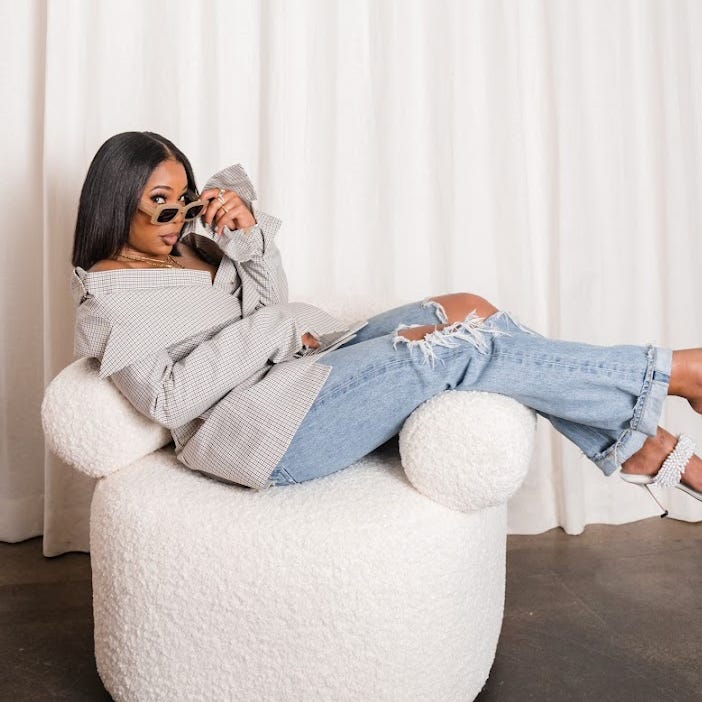
How does she always look so fly? Lol
Lol I really love and appreciate this! Honestly, style didn’t come naturally to me—it took years of figuring out what I loved and how I wanted to show up in the world. Once I got clear on that, I became super focused on leaning into it, not getting distracted by every trend, and giving myself permission to get it wrong sometimes.
Once I learned what really works for me, I just kept building from there. My style is still evolving. I’m constantly learning, unlearning, and having fun with it along the way.
Say it with me: THANK YOU, GERMANEE!!
Seriously, this was ALL SO GOOD!!! I hope you all got something out this and follow my best frienddddddd!
Talk soon!
Dr. KB
 | A guest post by
|